



Dopamine Transporter Inhibitor
-
Vanoxerine dihydrochloride
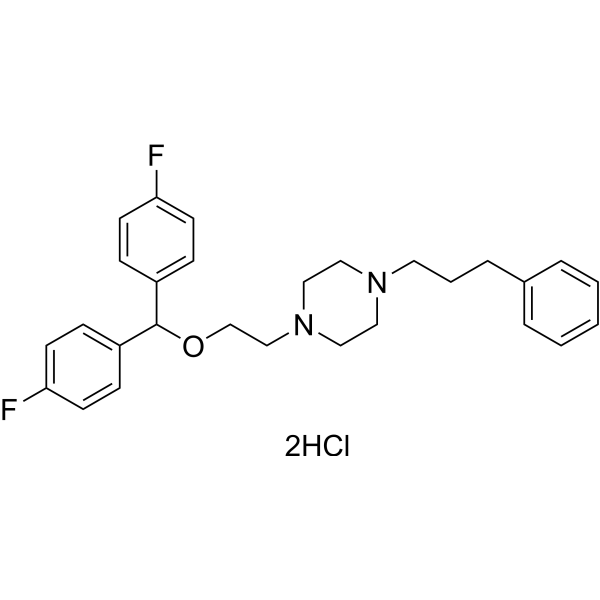 0 ImagesSynonyms: GBR-12909 dihydrochloride; I893 dihydrochloride
Vanoxerine dihydrochloride (GBR-12909 dihydrochloride) is a competitive, potent, and highly selective dopamine reuptake inhibitor (Ki=1 nM). Vanoxerine dihydrochloride (GBR-12909 dihydrochloride) binds to the target site on the dopamine transporter (DAT).
-
Amitriptyline
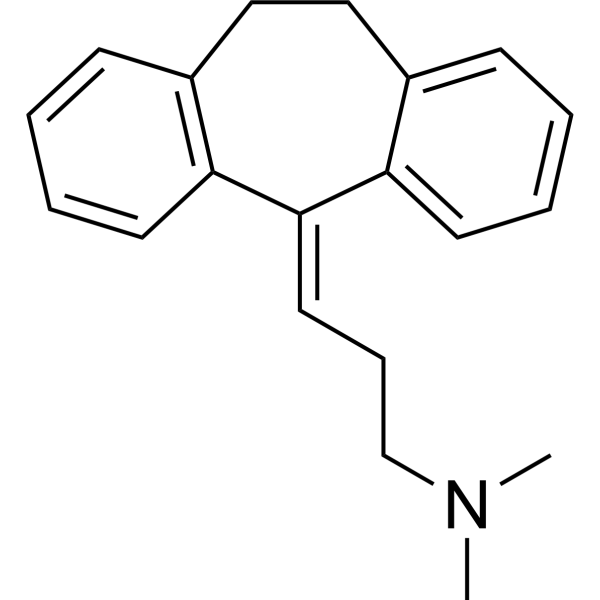 0 Images
Amitriptyline is an orally active tricyclic antidepressant (TCA). Amitriptyline mainly exerts its antidepressant effect by blocking SERT (Ki = 3.45 nM) and NET (Ki = 13.3 nM), thereby increasing the concentrations of 5-hydroxytryptamine (5-HT) and norepinephrine (NE) in the synaptic cleft. Amitriptyline is also an agonist at α2A and TrkA/TrkB receptors, thereby exerting analgesic and neurotrophic activities (inhibiting cell apoptosis). Amitriptyline can reduce inflammation, angiogenesis and fibrosis. Amitriptyline binds to DAT (with Ki = 2.58 μM). Amitriptyline has high affinity for a series of receptors and can antagonize muscarinic cholinergic receptors (M1/M2/M3/M4/M5 receptors) (Ki = 11-24 nM), H1 receptors (Ki = 0.5-1.1 nM), adrenergic α1 receptors (Ki = 4.4 nM), etc., resulting in a series of side effects. Amitriptyline can block sodium channels and hERG potassium channel (IC50 = 4.78 μM) and it has cardiotoxicity.
-
Amitriptyline hydrochloride
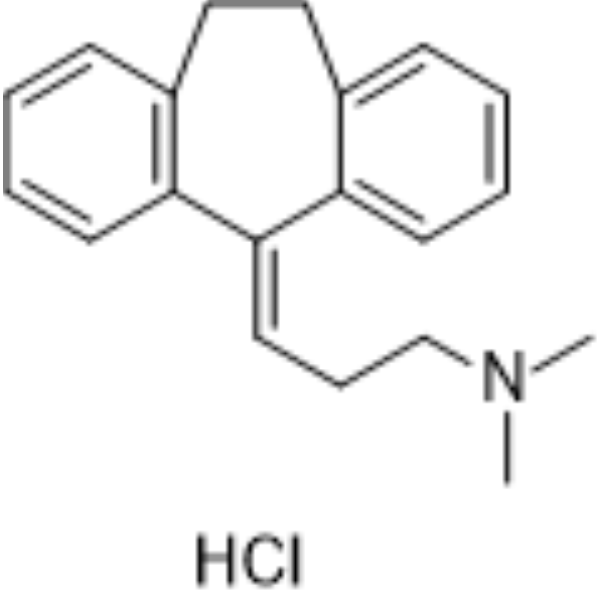 0 Images
Amitriptyline hydrochloride is an orally active tricyclic antidepressant (TCA). Amitriptyline hydrochloride mainly exerts its antidepressant effect by blocking SERT (Ki = 3.45 nM) and NET (Ki = 13.3 nM), thereby increasing the concentrations of 5-hydroxytryptamine (5-HT) and norepinephrine (NE) in the synaptic cleft. Amitriptyline hydrochloride is also an agonist at α2A and TrkA/TrkB receptors, thereby exerting analgesic and neurotrophic activities (inhibiting cell apoptosis). Amitriptyline hydrochloride can reduce inflammation, angiogenesis and fibrosis. Amitriptyline hydrochloride binds to DAT (with Ki = 2.58 μM). Amitriptyline hydrochloride has high affinity for a series of receptors and can antagonize muscarinic cholinergic receptors (M1/M2/M3/M4/M5 receptors) (Ki = 11-24 nM), H1 receptors (Ki = 0.5-1.1 nM), adrenergic α1 receptors (Ki = 4.4 nM), etc., resulting in a series of side effects. Amitriptyline hydrochloride can block sodium channels and hERG potassium channel (IC50 = 4.78 μM) and it has cardiotoxicity.
-
Bisacodyl
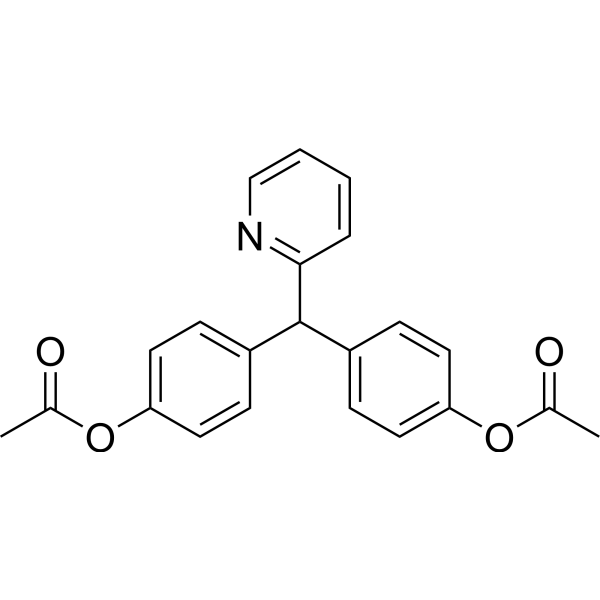 0 Images
Bisacodyl is a stimulant laxative agent that works directly on the colon to produce a bowel movement. Bisacodyl increases the secretion of PGE2 by direct activation of colon macrophages. PGE2 acts as a paracrine factor and decreases the expression of AQP3 in the colon, which inhibits water transfer from the luminal to the vascular side and leads to a laxative effect.
-
SKF-83566
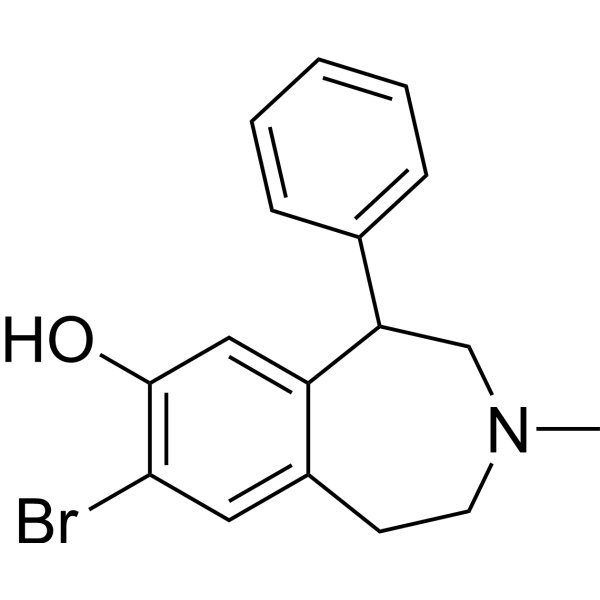 0 Images
SKF-83566 is an orally active, blood-brain barrier-permeable D1/D5 dopamine receptor antagonist with a Ki value of approximately 0.4-0.56 nM. SKF-83566 modulates locomotor behavior and spatial memory by blocking D1 receptors and inhibits glioblastoma progression by targeting the DRD1/c-Myc/UHRF1 pathway. SKF-83566 acts as an inhibitor of the dopamine transporter (DAT) and adenylyl cyclase 2 (AC2). SKF-83566 competitively binds to DAT to inhibit dopamine reuptake and non-competitively inhibits AC2 activity, thereby reducing cAMP accumulation. SKF-83566 is used in research areas such as dopaminergic system mechanisms, learning and memory, targeted intervention for glioblastoma, AC2 pathophysiology, antiparasitic drug screening, and synaptic plasticity (the "gating effect").
-
Amitriptyline hydrochloride (Standard)
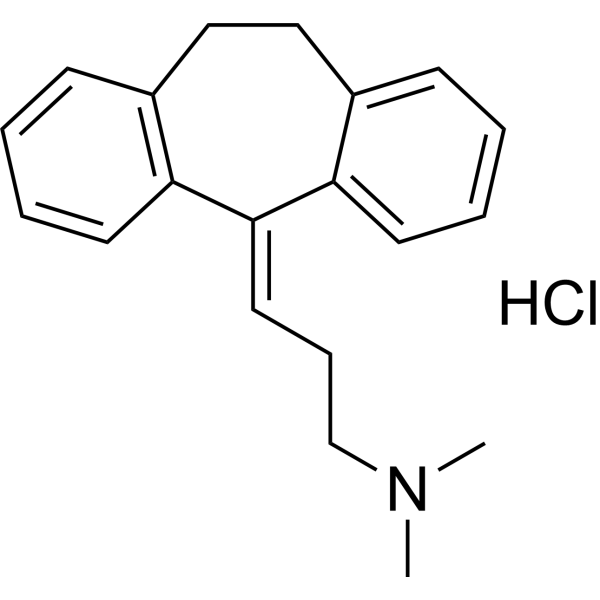 0 Images
Amitriptyline hydrochloride (Standard) is the analytical standard of Amitriptyline hydrochloride (HY-B0527A). This product is intended for research and analytical applications. Amitriptyline hydrochloride is an orally active tricyclic antidepressant (TCA). Amitriptyline hydrochloride mainly exerts its antidepressant effect by blocking SERT (Ki = 3.45 nM) and NET (Ki = 13.3 nM), thereby increasing the concentrations of 5-hydroxytryptamine (5-HT) and norepinephrine (NE) in the synaptic cleft. Amitriptyline hydrochloride is also an agonist at α2A and TrkA/TrkB receptors, thereby exerting analgesic and neurotrophic activities (inhibiting cell apoptosis). Amitriptyline hydrochloride can reduce inflammation, angiogenesis and fibrosis. Amitriptyline hydrochloride binds to DAT (with Ki = 2.58 μM). Amitriptyline hydrochloride has high affinity for a series of receptors and can antagonize muscarinic cholinergic receptors (M1/M2/M3/M4/M5 receptors) (Ki = 11-24 nM), H1 receptors (Ki = 0.5-1.1 nM), adrenergic α1 receptors (Ki = 4.4 nM), etc., resulting in a series of side effects. Amitriptyline hydrochloride can block sodium channels and hERG potassium channel (IC50 = 4.78 μM) and it has cardiotoxicity.
-
SKF-83566 hydrobromide
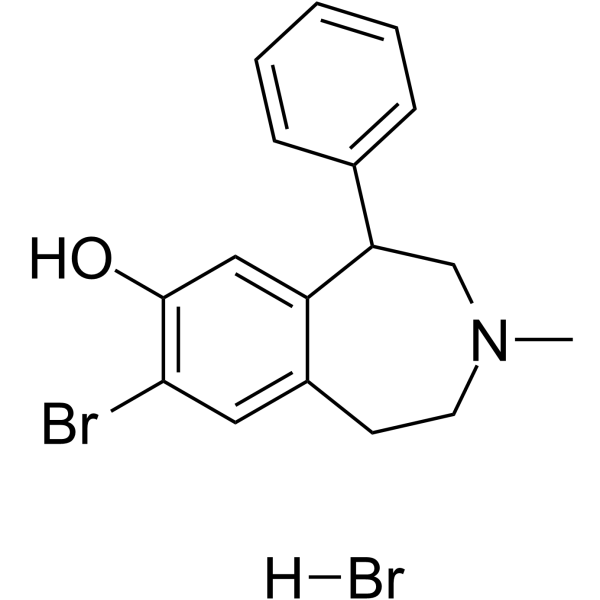 0 ImagesCat. No.: HY-103430CAS No.: 108179-91-5
SKF-83566 hydrobromide is an orally active, blood-brain barrier-permeable D1/D5 dopamine receptor antagonist with a Ki value of approximately 0.4-0.56 nM. SKF-83566 hydrobromide modulates locomotor behavior and spatial memory by blocking D1 receptors and inhibits glioblastoma progression by targeting the DRD1/c-Myc/UHRF1 pathway. SKF-83566 hydrobromide acts as an inhibitor of the dopamine transporter (DAT) and adenylyl cyclase 2 (AC2). SKF-83566 hydrobromide competitively binds to DAT to inhibit dopamine reuptake and non-competitively inhibits AC2 activity, thereby reducing cAMP accumulation. SKF-83566 hydrobromide is used in research areas such as dopaminergic system mechanisms, learning and memory, targeted intervention for glioblastoma, AC2 pathophysiology, antiparasitic drug screening, and synaptic plasticity (the "gating effect").

-
Tesofensine
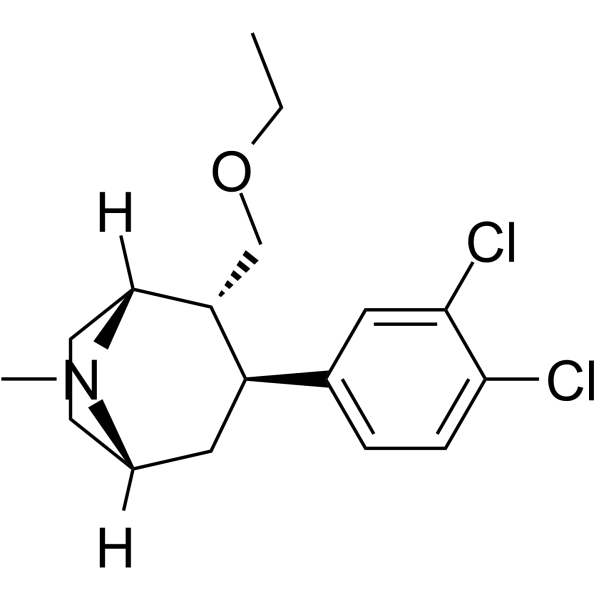 0 ImagesSynonyms: NS-2330
Tesofensine (NS-2330) is a triple monoamine reuptake inhibitor inducing a potent inhibition of the re-uptake process in the synaptic cleft of the neurotransmitters dopamine (DA; IC50=6.5 nM), norepinephrine (NE;IC50=1.7 nM), and serotonin (5-HT;IC50=11 nM), and with potentials as an anti-obesity agent. Tesofensine is a CNS acting anti-obesity agent.
-
Dasotraline hydrochloride
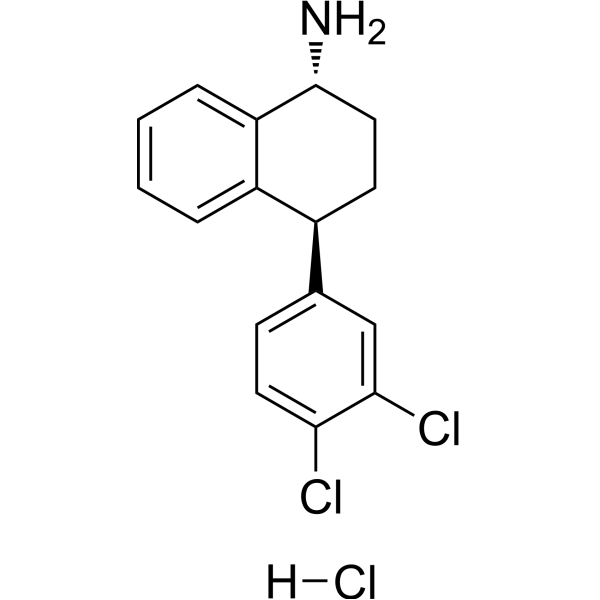 0 ImagesSynonyms: SEP-225289 hydrochloride
Dasotraline hydrochloride (SEP-225289 hydrochloride) is a triple reuptake inhibitor that blocks dopamine, norepinephrine, and serotonin transporters with IC50 values of 4, 6, and 11 nM, respectively.
-
Lauflumide
 0 ImagesSynonyms: BisfluoroModafinil; CRL-40940; NLS-4
Lauflumide (BisfluoroModafinil) is a selective dopamine reuptake inhibitor and wake-promoting agent. Lauflumide inhibits the dopamine transporter (DAT). Lauflumide induces sustained wakefulness without eliciting hyperlocomotion, stereotypy or abnormal behaviors in Mus musculus (house mice). Lauflumide reduces non-rapid eye movement (NREM) sleep rebound in rats, modulates electroencephalogram (EEG) spectral composition, and produces anti-aggressive effects. Lauflumide alleviates circadian rhythm disturbances in rats, increases spontaneous activity in fatigued rats, and facilitates their recovery from severe fatigue. Lauflumide can be used in research related to excessive daytime sleepiness as well as chronic severe fatigue/chronic fatigue syndrome (CFS).
-
Centanafadine hydrochloride
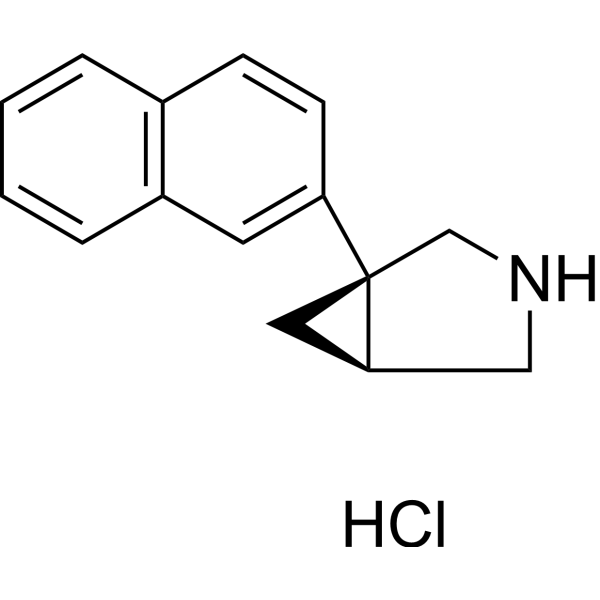 0 ImagesSynonyms: EB-1020 hydrochloride
Centanafadine (hydrochloride) is dual norepinephrine (NE)/dopamine (DA) transporter inhibitor, also inhibits serotonin transporter, with IC50s of 6 nM, 38 nM and 83 nM for human NE, DA and serotonin transporter , respectively.
-
(E/Z)-J147
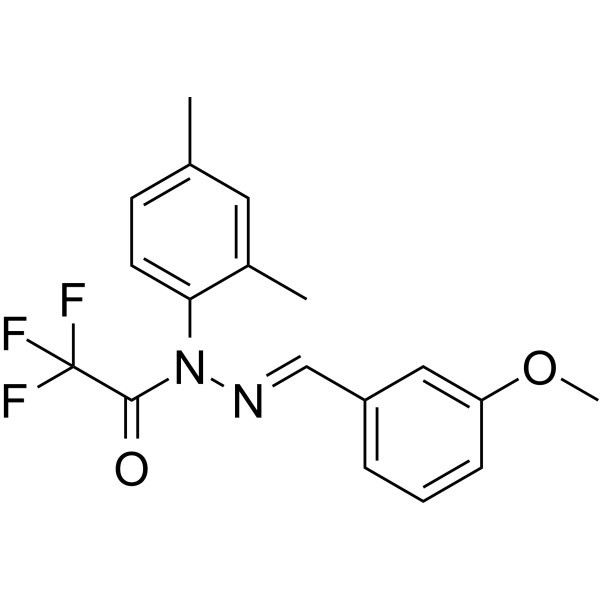 0 Images
(E/Z)-J147 is an exceptionally potent, orally active, neuroprotective agent for cognitive enhancement. (E/Z)-J147 can readily pass the blood brain barrier (BBB). (E/Z)-J147 can inhibit monoamine oxidase B (MAO B) and the dopamine transporter with EC50 values of 1.88 μM and 0.649 μM, respectively. (E/Z)-J147 has potential for the study of Alzheimer’s disease (AD).
-
Bupropion morpholinol-d6
 0 Images
Bupropion morpholinol-d6 is the deuterated form of Bupropion morpholinol. Bupropion morpholinol is a major metabolite of Bupropion. Bupropion morpholinol inhibits Dopamine, Norepinephrine transporters and the α4β2 nicotinic receptor in vitro. Bupropion morpholinol contributes to antidepressant and smoking cessation activities.
-
BMS-466442
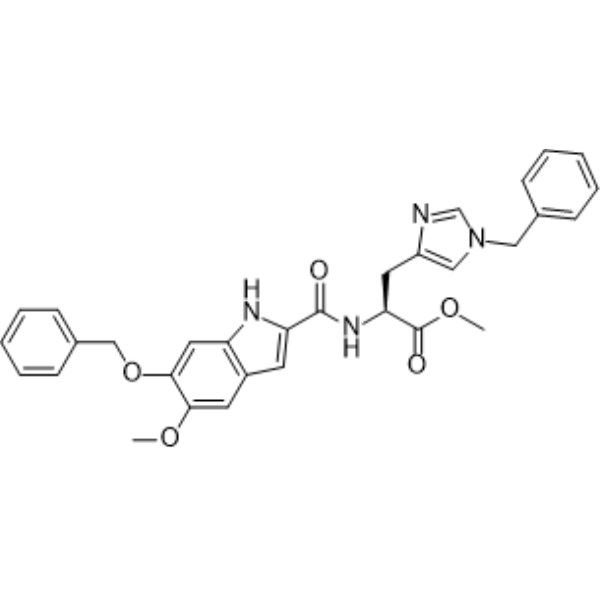 0 Images
BMS-466442 is a potent and selective inhibitor of asc-1 (alanine serine cysteine transporter-1), with an IC50 of 11 nM. BMS-466442 inhibits [3H] D-serine uptake into rat brain synaptosomes, with an IC50 of 400 nM. BMS-466442 can be used for schizophrenia research.
-
GBR 12935 dihydrochloride
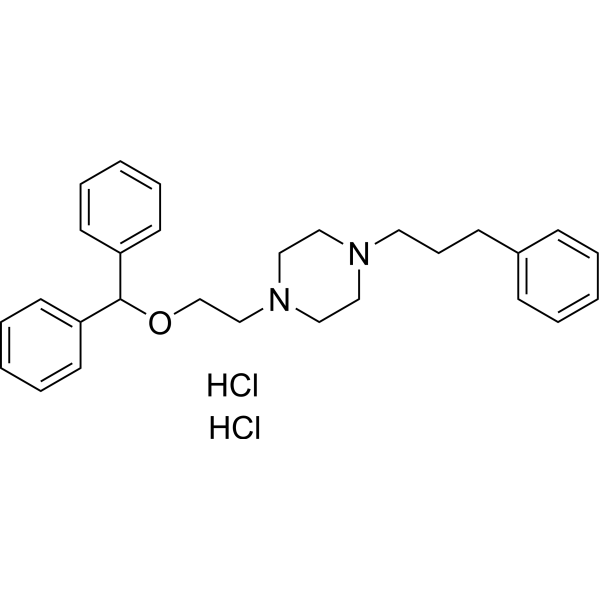 0 Images
GBR 12935 dihydrochloride is a potent, and selective dopamine reuptake inhibitor, with the binding constant (Kd) of 1.08 nM in COS-7 cells. GBR 12935 dihydrochloride stimulates the locomotion activity in different mice strains but fails to induce stereotypy. Thus, GBR 12935 dihydrochloride also prevents the d-Fenfluramine-induced head-twitch response in mice.
-
LH2-051
 0 Images
LH2-051, a lysosome-enhancing compound (LYEC), is a brain-penetrant dopamine transporter (DAT) inhibitor (Ki: 0.95 μM). LH2-051 inhibits DAT-mediated dopamine uptake with an IC50 of 3.0 μM. LH2-051 promotes nuclear translocation of TFEB and lysosome biogenesis. LH2-051 improves the memory of amyloid precursor protein (APP)/Presenilin 1 (PS1) mice. LH2-051 can be used for the study of Alzheimer’s disease.
-
Diclofensine hydrochloride
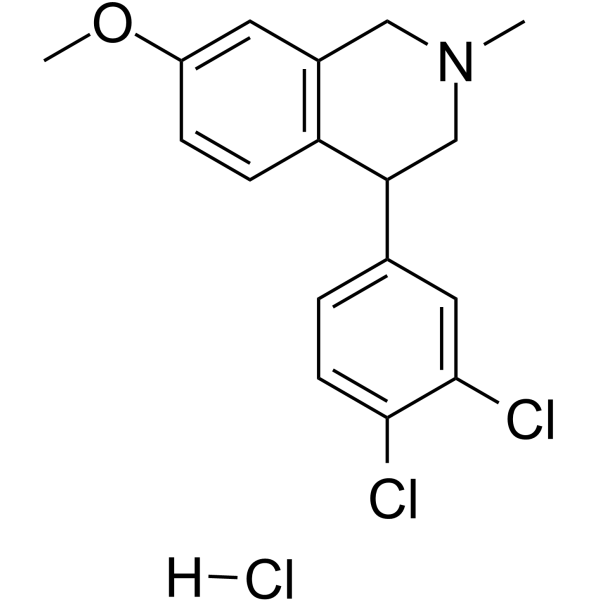 0 ImagesSynonyms: Ro 8-4650 hydrochloride
Diclofensine (Ro 8-46500) hydrochloride is an orally active neuronal monoamine uptake inhibitor. Diclofensine hydrochloride blocks the uptake of dopamine, noradrenaline, and serotonin by rat brain synaptosomes with IC50 values of 0.74, 2.3 and 3.7 nM, respectively. Diclofensine hydrochloride potentiates norepinephrine-induced hypertension and attenuates Tyramine (HY-W007606)-induced hypertension. Diclofensine hydrochloride produces psychostimulant and mood-elevating effects without causing sudden disappearance or withdrawal reactions. Diclofensine hydrochloride can be used in the research of moderate to severe depression.
-
Amitifadine hydrochloride
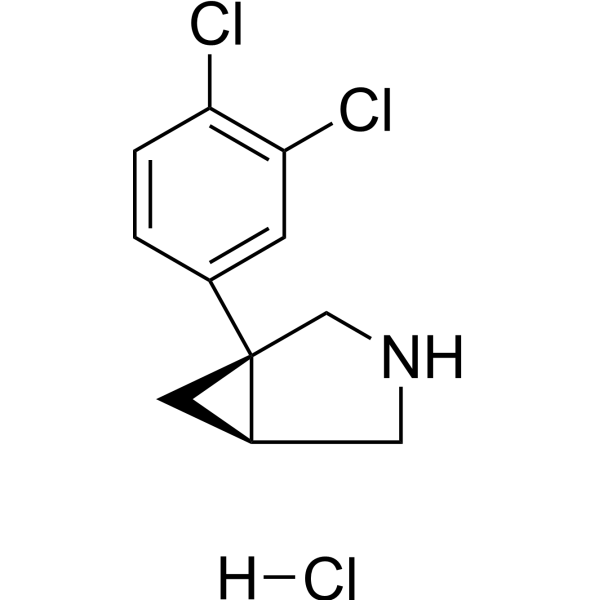 0 ImagesSynonyms: DOV-21947 hydrochloride; EB-1010 hydrochloride
Amitifadine (DOV-21947; EB-1010) hydrochloride is a serotonin-norepinephrine-dopamine reuptake inhibitor (SNDRI), with IC50s of 12, 23, 96 nM for serotonin, norepinephrine and dopamine in HEK 293 cells , respectively.
-
AHN 1-055 hydrochloride
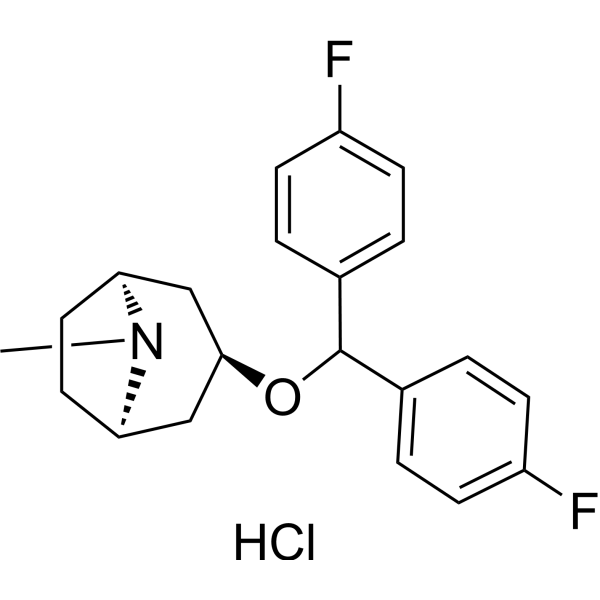 0 ImagesSynonyms: 3α-Bis-(4-fluorophenyl) Methoxytropane hydrochloride
AHN 1-055 hydrochloride is a dopamine uptake inhibitor that can cross the blood-brain barrier, with an IC50 of 71 nM. AHN 1-055 hydrochloride binds with high affinity to the dopamine transporter (DAT).



